About
Have you ever wanted to go back in time?
She did. When she was a little girl, Angelica thought if she could have saved the lives lost to wars and illness, she might finally receive more hugs.
But after training for her physics degree, she stopped wanting to. She learned something harder instead: how to stand her ground in rooms that weren't built to receive her. How to read systems that operated differently from the rules described. How to survive the in-between, where no occasion is named and no card exists.
And she understood that if she went back, she would not have become who she is now.
That survival became a method. The method became a body of work.
Wagenknecht Press is the house.
Signal & Post is its correspondence line.
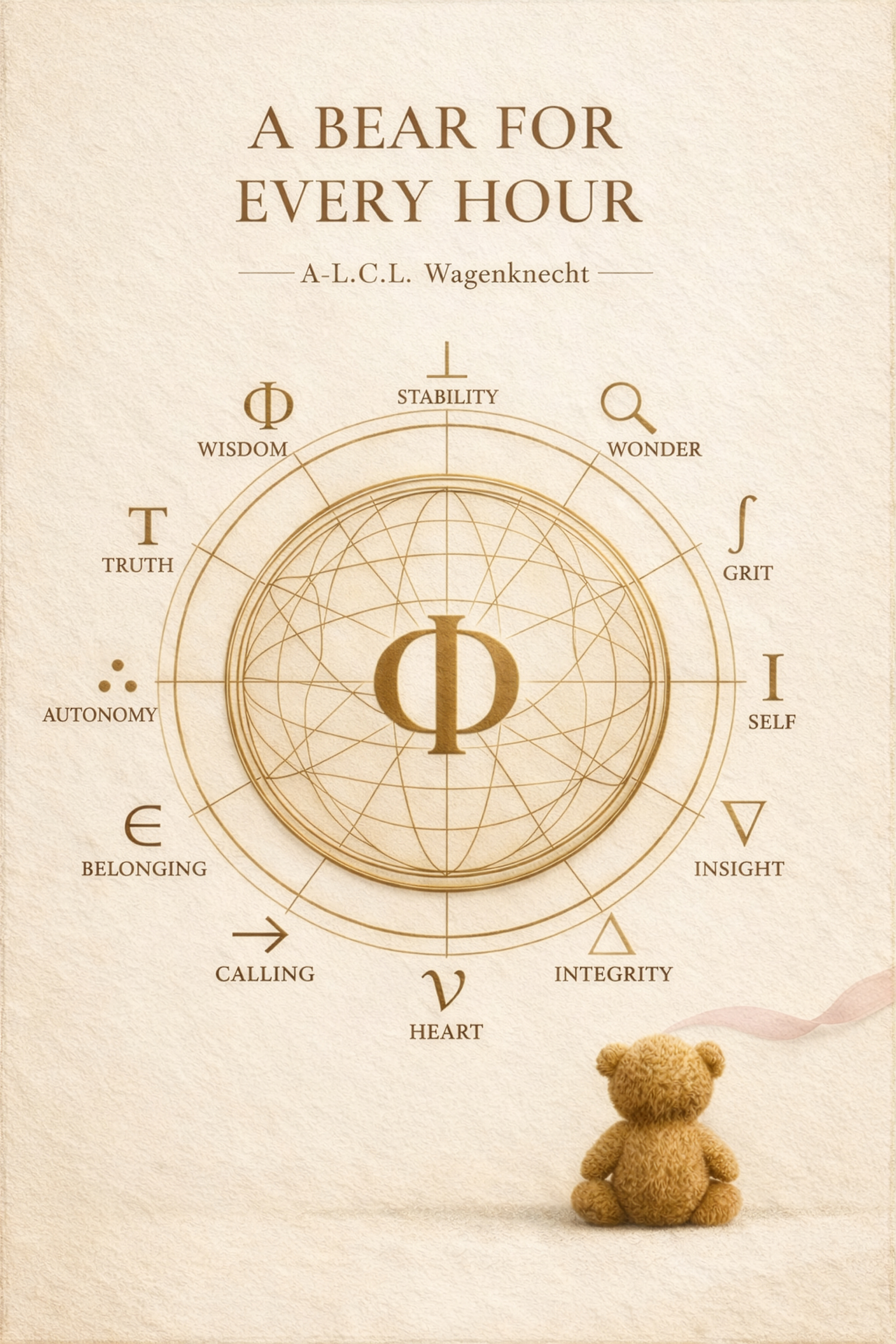
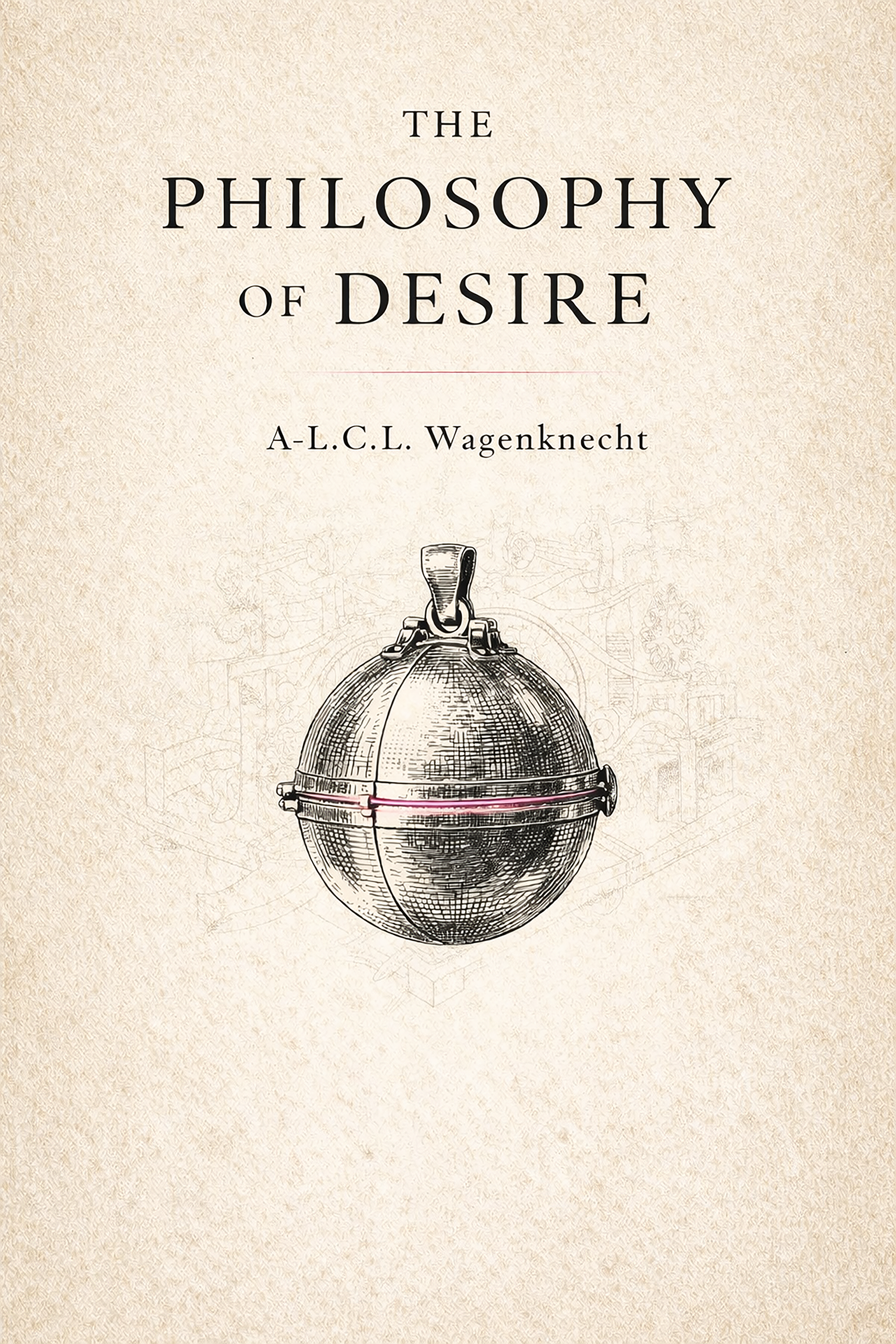
A Bear for Every Hour and The Philosophy of Desire are the longer works from which it emerges.
Together—instruments for navigating human emotion.
Built by a physicist.
Because not everyone will always have someone to turn to.
And not everyone knows the right words to say.
But they should still be able to say
the thing that needs saying—
in the middle of a lawsuit,
an insurance denial,
unexpected silence,
gaslighting,
a difficult job market,
the kind of grief with no card yet,
when your own jeweler steals the stone your fiancé mined with his own hands,
and you are left with no rings,
when your insurance company denies coverage
despite evidence,
when the judge handling your case
doesn’t read what you submitted to court,
when the company you worked for
doesn’t apply the rules of its own handbook,
when a machine owned by the grandfather nearly takes the life of his descendant—
because it was kept for “vibes,” not real craft,
when a homeowners’ association of foreign retirees
has found new flame in turning your life into its crusade.
We fill that gap.
Cards with designs that have passed through a real nervous system.
For the occasions in between the special.
Signal & Post: Instruments of Orientation
War doesn’t end. It transmutes.
It moves from battlefields into households.
From households into language.
From language into the way people learn to see themselves.
Most people carry this without realizing it.
Signal & Post was built for the moments where it surfaces.
Not the milestones.
Not the occasions already named.
The in-between—where something is felt, but not yet understood.
“What if people didn’t stop sending cards—What if the cards just ran out before the feelings did?”
-
Each card is a distillation of a system, thirty years in the making—of how events connect, repeat, and do not resolve across time.
It begins in a household where tenderness was regularly received as a technical claim.
Where you're the best was answered with how can that be—I'm the only one you have. Where I wish I'd had more hugs was answered with a defense. Where defending yourself meant you were not on trial—because trials, at least, follow procedure.
She was four years old when she first understood what it meant to say the right thing to the wrong room.
She grew up being the one people unloaded on. If she reacted, she was too sensitive. If she reasoned, she was arguing. If she had evidence, she was in the wrong forum entirely.
So she paid attention. She took notes.
What began as a way to understand one setting expanded into something larger: systems—familial, institutional, societal—often operate on inherited patterns rather than stated rules. Conflict does not disappear. It changes form.
Since childhood, she followed the rules. The gatekeepers still didn't always let her in. Credit went to the room, not to the work.
So she stopped participating in the system as it was presented.
She let patterns reveal themselves.
Over time, she learned to read the system as it operated—not as it was described.
The same girl grew up to become a physicist—learning balance from a Silicon Valley pilot and systems architect, and endurance from a German mine clearance diver who worked in frigid, zero-visibility water.
Without Marc and Wolfgang, she would have drifted.
She built a method from it. For situations where the rules are stated, but not consistently applied. Built for when you can't see the way out—where mental endurance, not physical strength, is your lifeline.
-
You can continue a system. Or you can study it—learn from it, then improve on it.
Originally, she became a physicist to return to a different timeline—to change outcomes, to prevent loss.
But over time, the conclusion changed.
The past is not removable. It is structural.
The final piece came through observation of a much smaller world—her saltwater aquarium. She realized that every event—good and bad, cause and consequence—is a load-bearing element of the whole. You cannot remove the trauma without dismantling the structure that produced the resilience.
So instead of rewriting it, she built a way to navigate it.
A Bear for Every Hour is that system. A modular series, refined over 30 years, mapping how human states move and connect.
Signal & Post is its transmission. For the occasions in between the special.
She built herself, emotionally. Now she makes instruments for people who are doing the same.
Signal & Post — a division of Wagenknecht Press
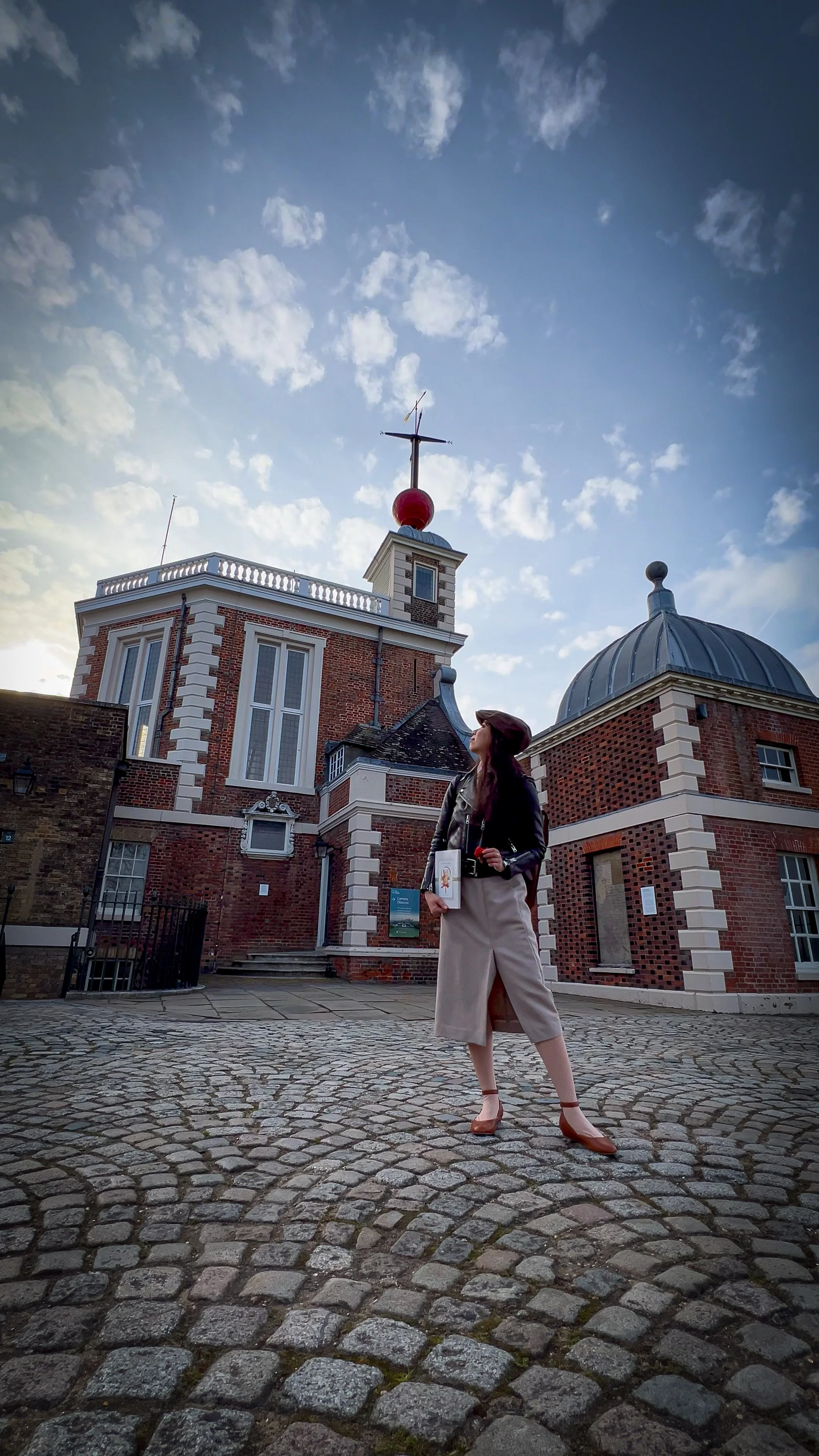
“I hope my work offers a way for you to reframe—rather than blame.”
Literary Works